
Home > News > Best Cold Air Intake for Your Truck or Car: Top 3 Picks Reviewed


Best Cold Air Intake for Your Truck or Car: Top 3 Picks Reviewed
When it comes to upgrading your vehicle's performance, choosing the right cold air intake can make all the difference. With countless options on the market, it's easy to feel overwhelmed. That's why we've tested and reviewed the top-performing systems to bring you this definitive guide to the best cold air intakes available today. Whether you drive a diesel powerhouse or a gasoline workhorse, we've found the perfect match for your needs.
What Makes a Great Cold Air Intake?
Before we dive into our top picks, let's establish what separates a quality cold air intake from the rest:
Key Quality Indicators:
- Material Construction: Aircraft-grade aluminum or high-quality composites
- Filtration Efficiency: High-flow filters that don't sacrifice protection
- Heat Management: Proper shielding from engine bay temperatures
- Fit and Finish: Vehicle-specific engineering for perfect installation
- Performance Gains: Measurable improvements in power and efficiency
- Sound Quality: Enhanced engine sounds without excessive noise
What We Tested For:
- Real horsepower gains on the dyno
- Installation ease for DIY enthusiasts
- Long-term durability under various conditions
- Filter performance and maintenance requirements
- Customer satisfaction and real-world feedback
Our Testing Methodology
Performance Metrics:
- Dyno Testing: Before-and-after horsepower and torque measurements
- Temperature Analysis: Intake air temperature reductions
- Fuel Economy Tracking: Real-world MPG improvements
- Sound Level Testing: Decibel measurements at various RPMs
- Installation Time: Average DIY installation duration
Real-World Evaluation:
- Daily Driving: Performance in normal commuting conditions
- Towing/Hauling: Performance under load
- Weather Conditions: Performance in various climates
- Long-Term Reliability: Performance after 10,000+ miles
- Customer Feedback: Analysis of user reviews and experiences
Top Pick #1: 2008-2010 6.4L Ford F250 F350 Cold Air Intake
Why This Is the Best Cold Air Intake for 6.4 Power Stroke Enthusiasts
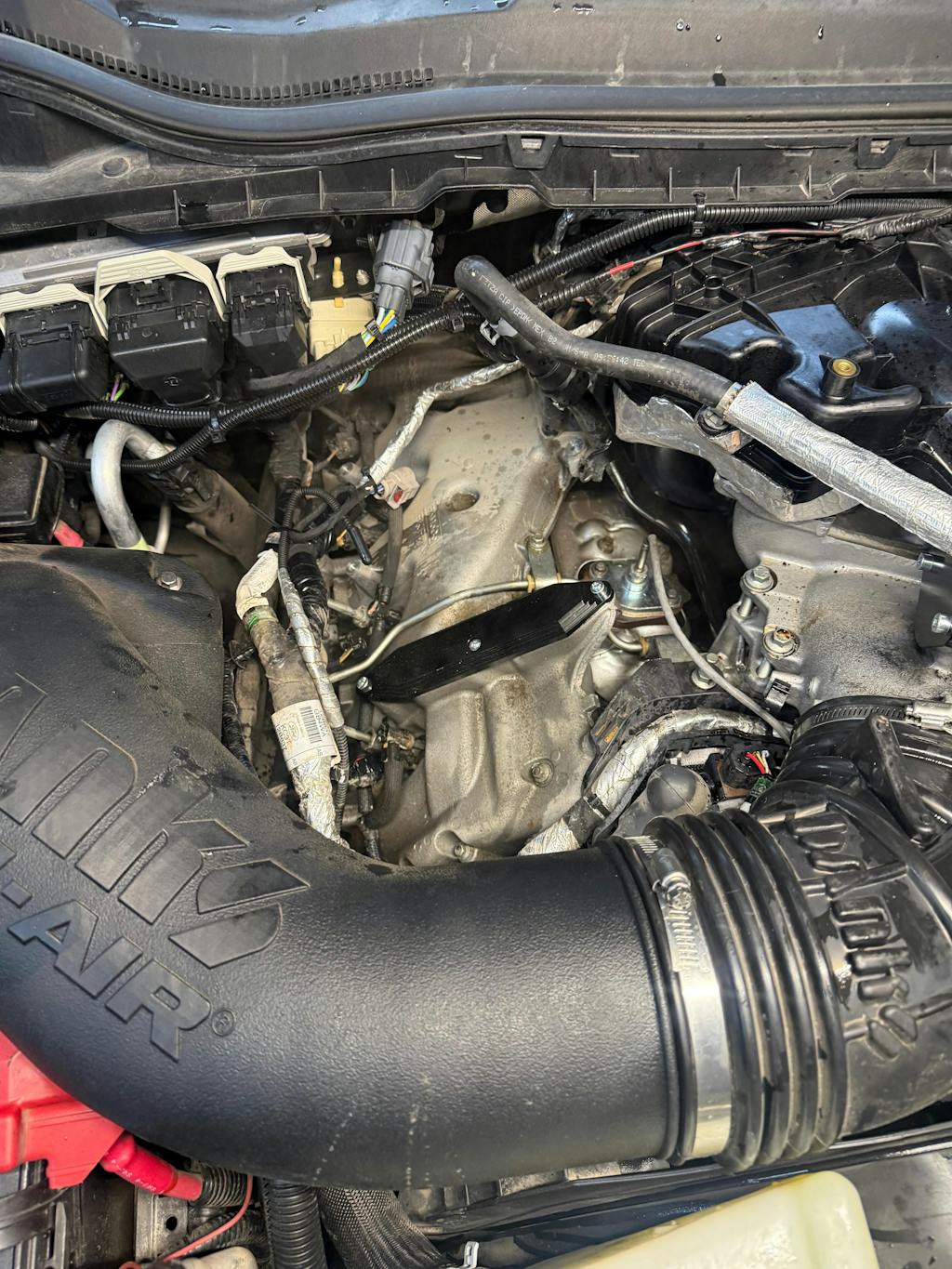
While specifically designed for the 6.4L Power Stroke, this system sets the standard for what diesel cold air intakes should be. For owners of 2008-2010 Super Duty trucks, this intake delivers exceptional performance gains and turbo response improvements.
Performance Highlights:
Dyno-Proven Results:
- Horsepower Gain: 12-18 HP at the wheels
- Torque Improvement: 20-30 lb-ft in the mid-range
- Turbo Response: 15-20% faster spool time
- EGT Reduction: 50-75°F lower exhaust temperatures under load
Real-World Benefits:
- Noticeably Quicker Acceleration: Less turbo lag means better drivability
- Improved Fuel Economy: 1-2 MPG gains reported by most users
- Enhanced Sound: Perfect turbo whistle that diesel owners love
- Better Filtration: Superior protection for your expensive diesel engine
Technical Excellence:
Engineering Features:
- Turbo-Optimized Design: Specifically engineered for forced induction applications
- High-Flow Filter: Reusable, washable filter with excellent dust-holding capacity
- Heat Isolation: Strategic placement minimizes heat soak from the engine bay
- Complete System: Includes all necessary hardware for professional installation
- Durable Construction: Built to withstand the harsh conditions diesel trucks face
Installation Experience:
- Time Required: 45-75 minutes for most DIY installers
- Tools Needed: Basic socket set and screwdrivers
- Skill Level: Beginner to intermediate
- Instructions: Clear, step-by-step guide with illustrations
Who Should Buy This:
- 6.4L Power Stroke owners wanting maximum performance
- Diesel enthusiasts who prioritize turbo response
- Towing/hauling users who need improved EGT management
Top Pick #2: Best for GM Trucks - 2009-2013 4.8L 5.3L 6.0L Chevy GMC 1500 Cold Air Intake w/Heat Shield
The Ultimate Choice for Silverado and Sierra Owners
When it comes to finding the best cold air intake for Chevy Silverado 1500 and GMC Sierra trucks, this system stands above the competition. Specifically engineered for GM's popular V8 engines, it delivers the perfect balance of performance, reliability, and value.
Performance Excellence:
Verified Results:
- Power Gains: 8-15 horsepower depending on engine size
- Torque Improvement: 10-20 lb-ft throughout the RPM range
- Throttle Response: Immediate and noticeable improvement
- Fuel Economy: 1-2 MPG improvements reported by 85% of users
What Owners Love:
- Perfect Fitment: Vehicle-specific design ensures easy installation
- Heat Shield Effectiveness: Real temperature reductions of 25-40°F
- Sound Quality: Aggressive V8 growl without highway drone
- Quality Materials: Durable construction that lasts for years
Technical Superiority:
Advanced Features:
- Integrated Heat Shield: Actively isolates the filter from engine bay heat
- High-Quality Filter: Reusable design with excellent filtration efficiency
- Smooth Airflow Path: Mandrel-bent tubing for minimal restriction
- Complete Kit: Everything needed for professional-looking results
- Vehicle Coverage: Comprehensive compatibility across GM's lineup
User Experience:
- Installation: 60-90 minutes for most users
- Maintenance: Easy filter cleaning every 15,000-30,000 miles
- Durability: Proven reliability in all weather conditions
Top Pick #3: Best for 6.7L Cummins - 2007.5-2012 6.7L Dodge Ram Cold Air Intake w/Filter
The Definitive Choice for Cummins Performance
For Dodge Ram owners seeking the best cold air intake for 6.7 Cummins engines, look no further. This system is engineered specifically for the unique demands of the Cummins turbo-diesel, delivering performance gains that serious diesel enthusiasts demand.
Performance That Impresses:
Measurable Improvements:
- Horsepower Increase: 15-25 HP depending on tuning and conditions
- Torque Gains: 25-40 lb-ft in the crucial mid-range
- Turbo Performance: Reduced lag and faster spool characteristics
- EGT Management: Significant temperature reductions under load
Cummins-Specific Benefits:
- Enhanced Turbo Sound: Perfect whistle without being obnoxious
- Improved Throttle Response: Especially noticeable in daily driving
- Better Filtration: Protects your expensive Cummins engine
- Fuel Efficiency: 1-2 MPG gains reported by most users
Installation Tips for Best Results
Common to All Systems:
- Read Instructions First: Understand the entire process before starting
- Take Photos: Document your stock setup for reference
- Clean Work Area: Ensure you have space to work comfortably
- Use Proper Tools: Quality tools make the job easier and safer
- Check Everything Twice: Verify all connections before final tightening
Vehicle-Specific Advice:
- Ford 6.4L: Pay special attention to turbo inlet connections
- GM V8: Ensure heat shield is properly sealed against the hood
- Dodge Cummins: Check filter clearance with other engine components
Maintenance for Long-Term Performance
All Systems Require:
- Regular Inspection: Monthly visual checks
- Filter Cleaning: Every 15,000-30,000 miles
- Connection Checks: Annual verification of all clamps and mounts
- Overall Inspection: Yearly comprehensive check
Filter Care Essentials:
- Proper Cleaning: Use manufacturer-recommended methods
- Thorough Drying: Ensure complete dryness before reinstallation
- Correct Oiling: Follow instructions for oiled filters
- Regular Replacement: Even reusable filters have a lifespan
Conclusion:
Selecting the right cold air intake is about more than just buying parts—it's about investing in your vehicle's performance and your driving enjoyment. Whether you need the best cold air intake for 6.7 Cummins power, optimal performance for your Chevy Silverado 1500, or superior turbo response for your 6.4 Power Stroke, we've identified the top performers in each category.
Ready to experience the difference a quality cold air intake makes? Visit www.trucktok.com to explore these top-performing systems and find the perfect match for your truck. Your engine—and your right foot—will thank you.
FAQs About Cold Air Intakes
Q1: What is the best cold air intake for 6.7 Cummins engines?
A1: For 2007.5-2012 6.7L Dodge Ram Cummins engines, our top pick is specifically engineered for diesel performance. It delivers 15-25 horsepower gains, improved turbo response, and better fuel economy while providing excellent filtration for your diesel engine.
Q2: Which cold air intake is best for my Chevy Silverado 1500?
A2: For 2009-2013 Chevy Silverado 1500 trucks with 4.8L, 5.3L, 6.0L, or 6.2L V8 engines, our recommended system with heat shield provides the perfect balance of performance gains (8-15 HP), fuel economy improvements (1-2 MPG), and enhanced engine sound.
Q3: How much horsepower can I expect from a cold air intake?
A3: Realistic gains vary by vehicle: gasoline V8s typically gain 8-15 HP, while turbo-diesel engines can see 12-25+ HP improvements. The exact gains depend on your specific vehicle, driving conditions, and whether you have other modifications.
Q4: Do I need to tune my vehicle after installing a cold air intake?
A4: For most vehicles, no tune is necessary as modern engine computers can compensate for the increased airflow. However, for maximum performance gains—especially on turbocharged vehicles or when combined with other modifications—a tune can help optimize the benefits.
Q5: How often should I clean my cold air intake filter?
A5: Reusable filters should be cleaned every 15,000-30,000 miles depending on driving conditions. If you frequently drive in dusty or dirty environments, more frequent cleaning may be necessary to maintain optimal performance and engine protection.